
The future of social energy storage
Fair energy for everyone, less pressure on the grid.
Our mission: supplying electricity to lower-income households at a fair price, while helping to relieve grid congestion.
The problem
The problem: grid congestion
Congestion is mainly caused by mismatches: mismatches in location and mismatches in time.
Then: driven by demand
Electricity on the grid used to be driven by demand. Fossil fuels were burned to meet the need.
Now: driven by supply
Today electricity is supplied the moment renewables produce it, but it is not yet matched to demand. This leads to ‘unbalanced’ prices.
Mismatch in time and place
A great deal is invested in solar and onshore wind in sparsely populated areas, while demand for electricity is growing in densely populated areas.
National grid
High-voltage grid, operated by TenneT
Offtake
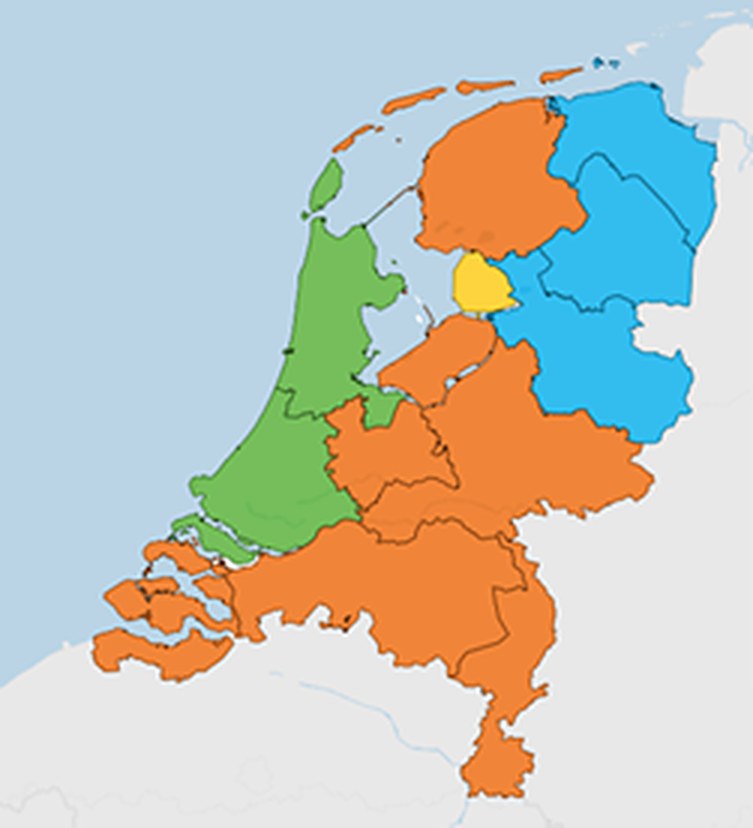
Feed-in
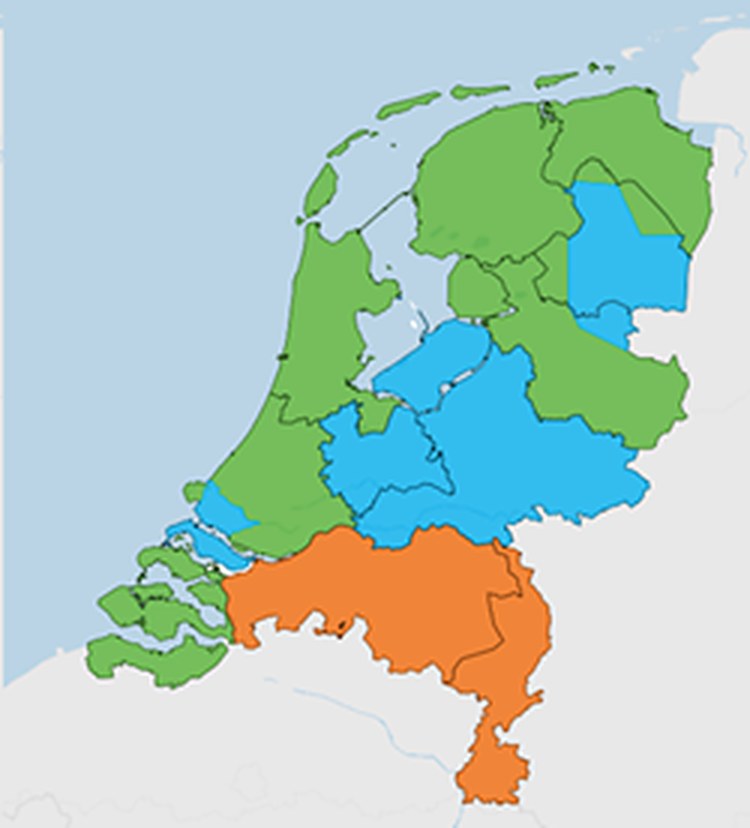
- Transport capacity available
- Limited capacity
- Congestion management area
- Congestion study in progress
Regional grids
Liander, Stedin, Enexis and other grid operators
Offtake
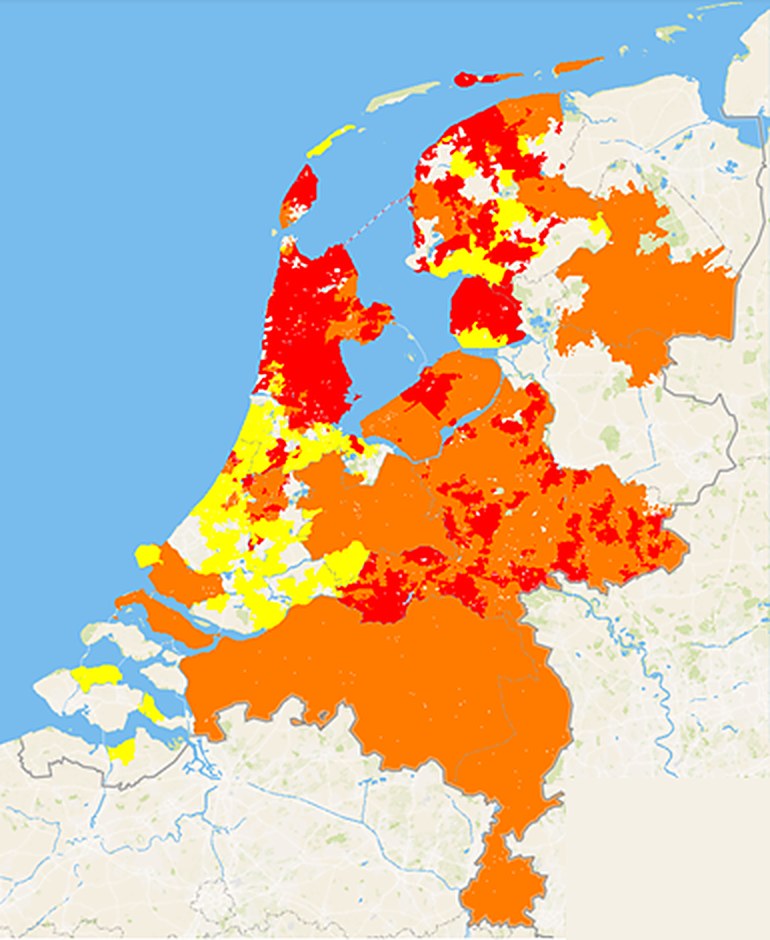
Feed-in
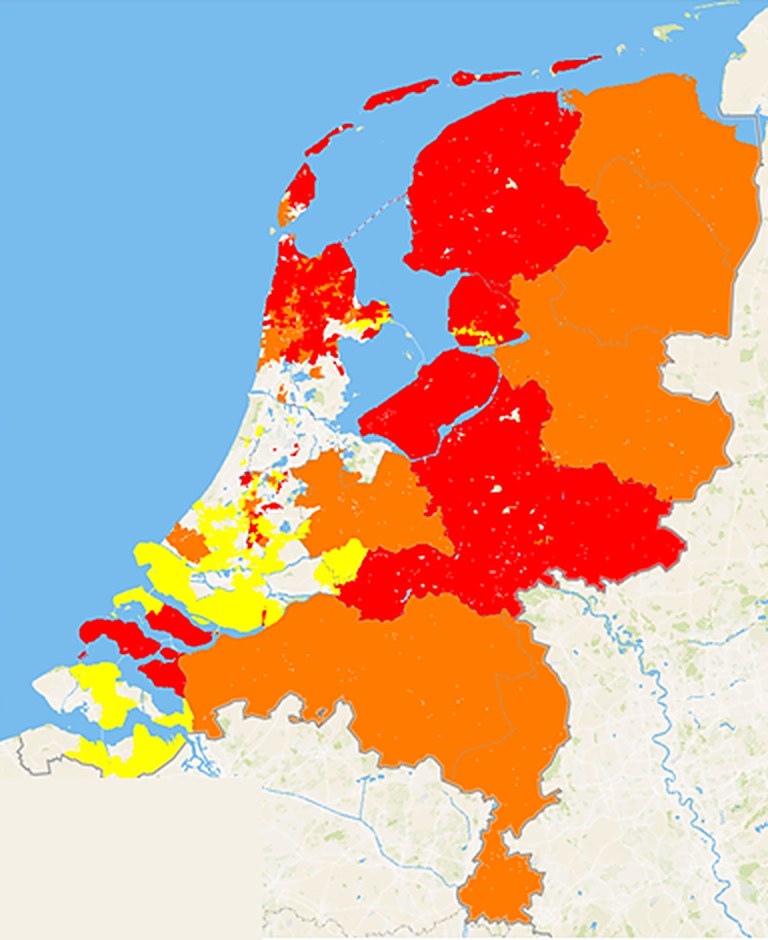
- Capacity available
- Limited capacity
- Full for now, congestion management study in progress
- Full, no room even with congestion management
The solution
A system solution
To return to a more demand-driven system, demand has to be created artificially. Batteries make that possible: energy can be stored at the right moments and used when it is needed. But large batteries need new grid connections, and those are not available right now.
Households, however, already have a connection, and a (small) battery can easily be connected to it. Together, many small batteries in homes form one large battery. That way we can regulate energy demand much better in a relatively simple way.
Many small batteries in homes together form one large battery.
Who it is for
Social housing
By placing the smaller batteries in social housing, we can keep energy bills as low as possible for residents. It also allows a fast, coordinated rollout at substantial scale.
Lower energy bills
Fast rollout
Large scale
In partnership with United Energies
A project in practice

Background
Until a few years ago, electricity on the grid was demand-driven and fossil fuels were burned to meet demand. Today electricity is increasingly supplied the moment it is produced by renewables, but it is not yet matched to demand. This leads to imbalance prices and congestion, mainly caused by mismatches in location and mismatches in time. A great deal is invested in solar and onshore wind in sparsely populated areas, while demand for electricity is growing in densely populated areas.
The grid is becoming overloaded
The grid is becoming overloaded faster than expected, and grid operators are seriously concerned. Based on current forecasts, the Energy Board concludes that the electricity grid in the province of Utrecht is expected to be full until 2030. As a result, new large consumers cannot get transport capacity for the time being, and existing large consumers cannot expand. Because demand for electricity is rising sharply, TenneT’s national high-voltage grid in Utrecht is reaching its capacity limits. There are also restrictions on feeding electricity back into the grid.
In Utrecht, congestion is a serious and growing problem on the electricity grid. The issue lies in transporting electricity through the network, sometimes called “grid congestion”. Grid congestion can lead to inefficient energy distribution, in which energy is lost or not used in the most efficient way. It can also lead to higher energy costs for end users, because energy companies have to spend more to expand network capacity or find alternative routes for transporting energy. TenneT has indicated that the province of Utrecht faces grid congestion due to the growth in solar power production and the limited capacity of the regional grid. In the past, during peaks in solar production on sunny days, the voltage on the network rose so high that some solar panels were automatically switched off to prevent damage to the network.
With thanks to


Relieving local grid congestion
Grid congestion can delay the rollout of renewable energy sources (such as solar panels) or make investing in them less profitable, because it can be difficult to connect these sources to the grid when there is not enough capacity.
One solution is to reduce the pressure on the grid through the (large-scale) use of batteries. In this project we want to combine this approach with a solution for growing energy poverty — people on low incomes who can barely pay their energy bills — by developing an attractive business case for social landlords, so they can keep energy bills very low for people on tighter budgets.
The switch to renewable energy can involve high upfront costs, such as buying solar panels or heat pumps, which people on lower incomes cannot afford. An unequal distribution of the burden of the energy transition can lead to social injustice, with people on lower incomes bearing a disproportionate share. For example, as a result of the energy transition, energy costs for people on low incomes may become relatively higher than for people on higher incomes.
The solution is being built with a sodium salt battery. In several respects it outperforms the lithium battery that still holds the largest market share: our battery is not a fire hazard, can be used in a circular way and works at the same charging speeds. By making the batteries available in social housing, we aim to bring the shared service costs per household down from the current 25 euros per month (300 per year). This is possible by buying and selling cheaply on the front end, and on the back end arranging an imbalance fee from the grid operator to pay for the battery, as well as renting out battery capacity for trading on energy markets. A peak-load fee and a flex tender fee will also be negotiated with Stedin. The batteries will also be used to keep the solar panels running and to store their output in the battery when grid voltage is too high. This saves supply costs and energy tax on the shared bill of the social housing complex.
Although this project focuses on solving local grid congestion, it can serve as an example of how batteries can be used to prevent grid congestion in other regions.
Our technology
Sodium salt battery
- No fire hazard
- Circular by design
- Same charging speeds as lithium
Contact
The future of social energy storage
Would you like to know more about United Batteries or the project in Utrecht? Get in touch with us.
United Batteries B.V.
Kortrijk 10
3612 LX Breukelen
The Netherlands